
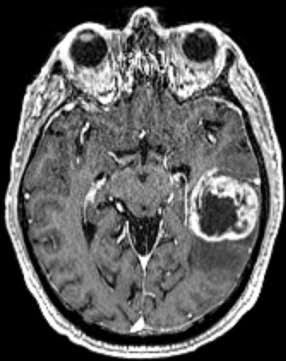
Brain Tumor and Cancer Surgery
Surgical evaluation of benign and malignant brain tumors, with planning around the tumor’s location and important brain functions.
Neurological and Spine care clinic in Ranchi
Personalised brain and spine care with Dr. Vikram Singh—helping you understand your condition, explore your options and move forward with confidence.
Bariatu Road, Ranchi By appointment
Monday–Saturday9–10 am & 5–7 pmSunday closed
About Us
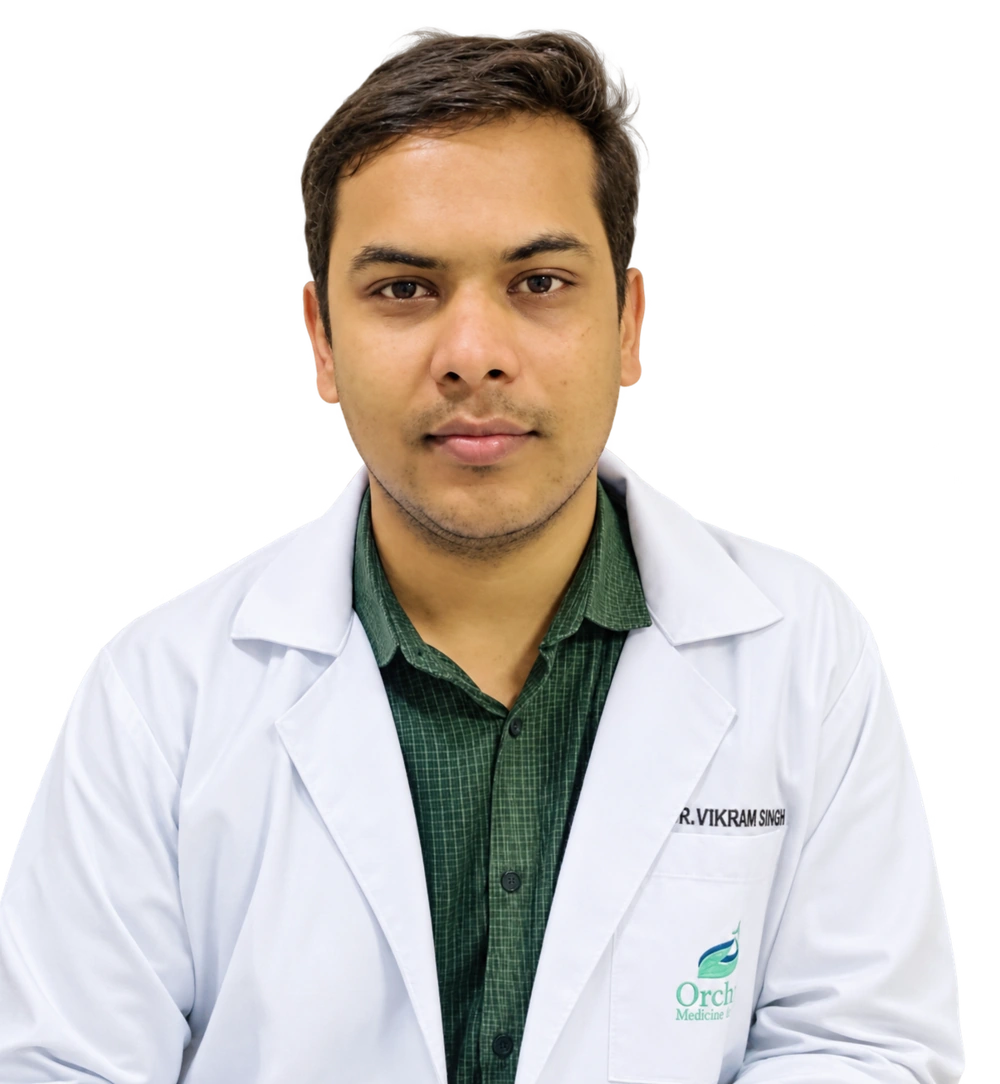
Dr. Vikram Singh
Senior Consultant Neurosurgeon
Ranchi, Jharkhand
Dr. Vikram Singh is among the leading brain and spine surgeons in Jharkhand. He has attained MBBS degree from JIPMER, Pondicherry, followed by M.Ch. in Neurosurgery from NIMHANS, Bangalore. He has operated over 5000 neurosurgical cases in his career and specializes in endoscopic neurosurgery, brain tumor surgery, minimally invasive spine surgery and vascular neurosurgery. He also has a keen interest in clinical research and has authored multiple publications in reputed international journals.
Our Specialties
Understand your condition and explore the treatment options suited to your scans, symptoms and goals.
Surgical evaluation of benign and malignant brain tumors, with planning around the tumor’s location and important brain functions.
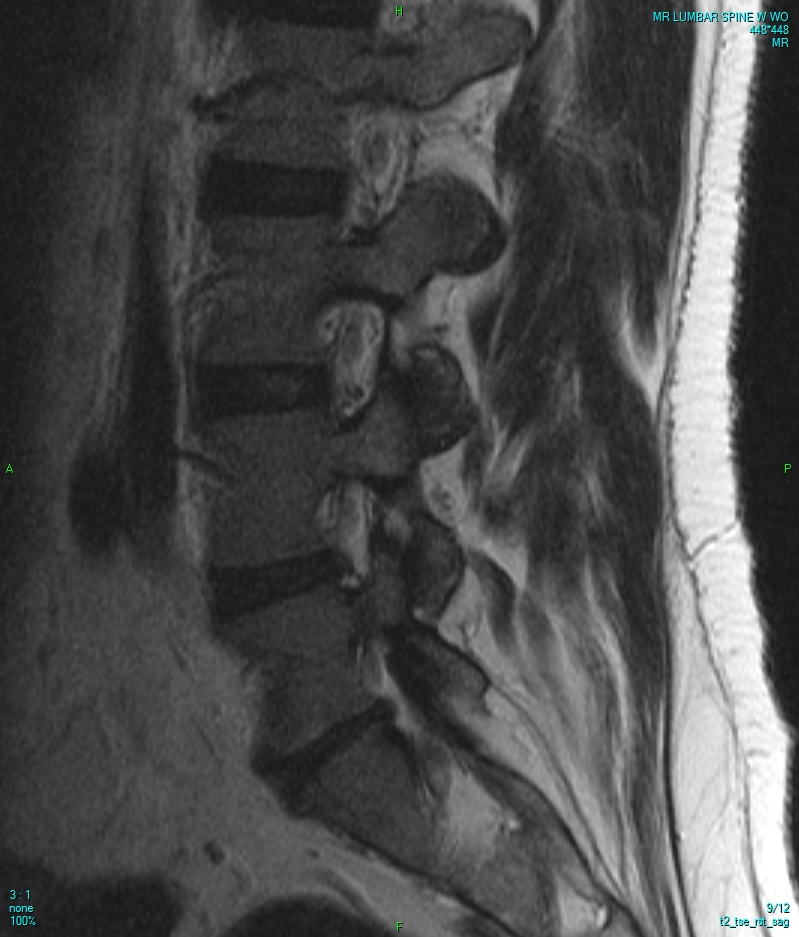
Assessment of slipped discs and spinal canal narrowing, including endoscopic and other minimally invasive options for selected patients.
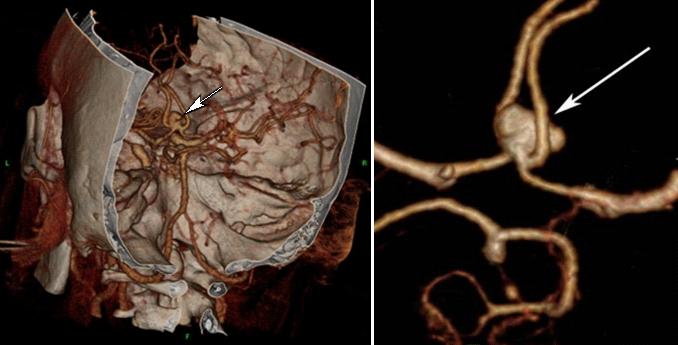
Evaluation of aneurysms and microsurgical clipping, with discussion of when monitoring or catheter-based treatment may be appropriate.
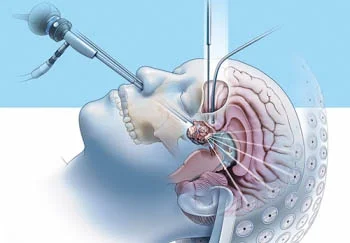
Assessment of conditions near the base of the skull, including pituitary tumors and selected lesions suited to an endoscopic approach.
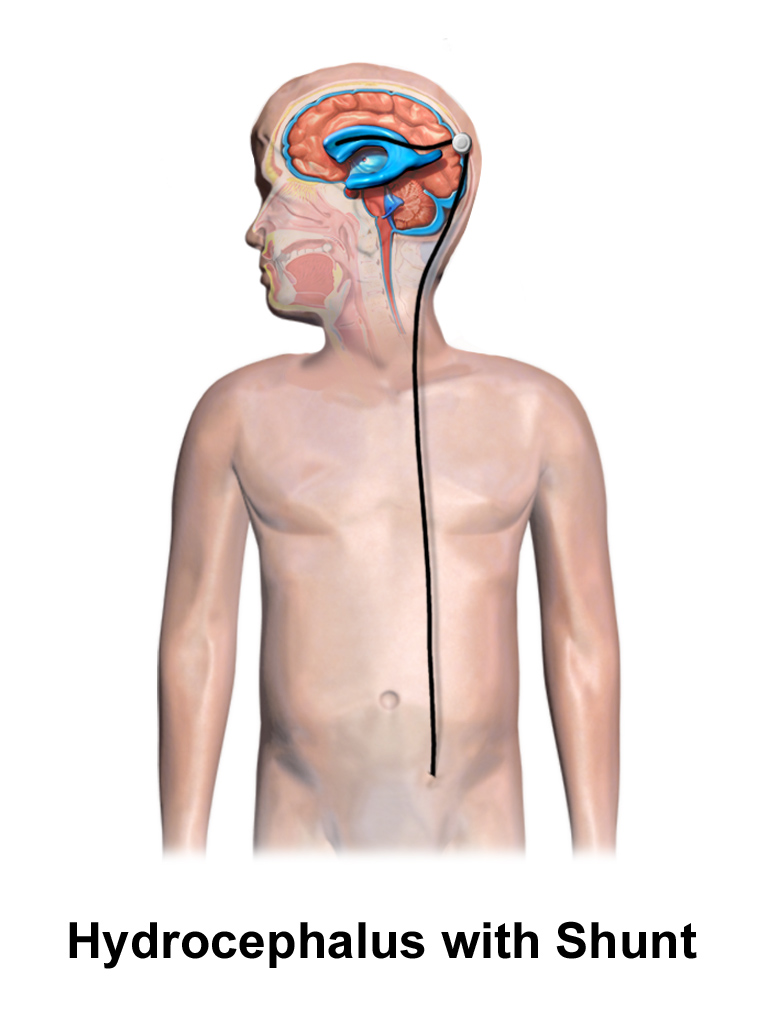
Consultations for children with conditions such as hydrocephalus, including discussion of shunts and endoscopic treatment when appropriate.
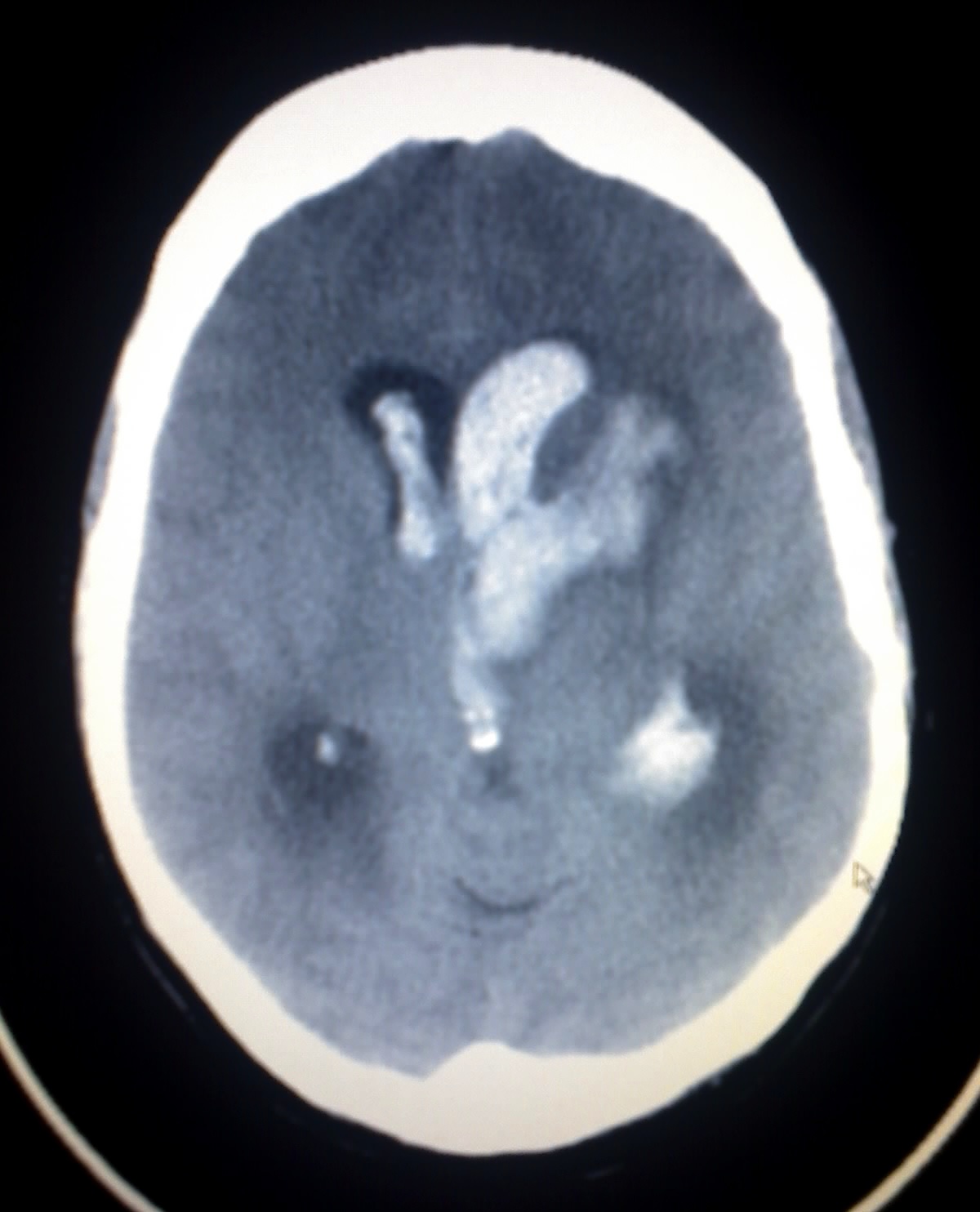
Surgical evaluation and treatment of bleeding within or around the brain, including clot evacuation and relief of pressure when indicated.
Neurosurgical Technology
Technology helps surgeons see delicate structures, plan access and work through small openings. The choice of equipment depends on your condition, the planned procedure and the treating hospital. Tap a device to learn how it may be used. (Images show example systems; the specific model used depends on the treating hospital.)
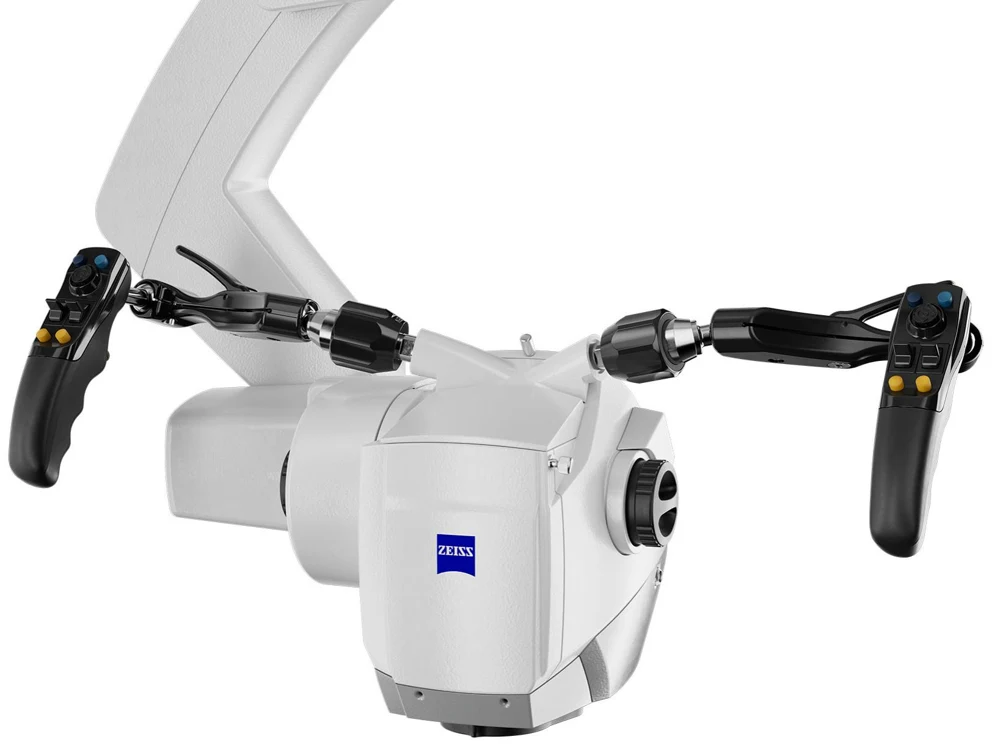
A magnified view of delicate structures. An operating microscope combines bright illumination with magnification, helping the surgeon distinguish nerves, blood vessels and tissue during brain and spine surgery. It is used in procedures such as tumor removal and aneurysm clipping.
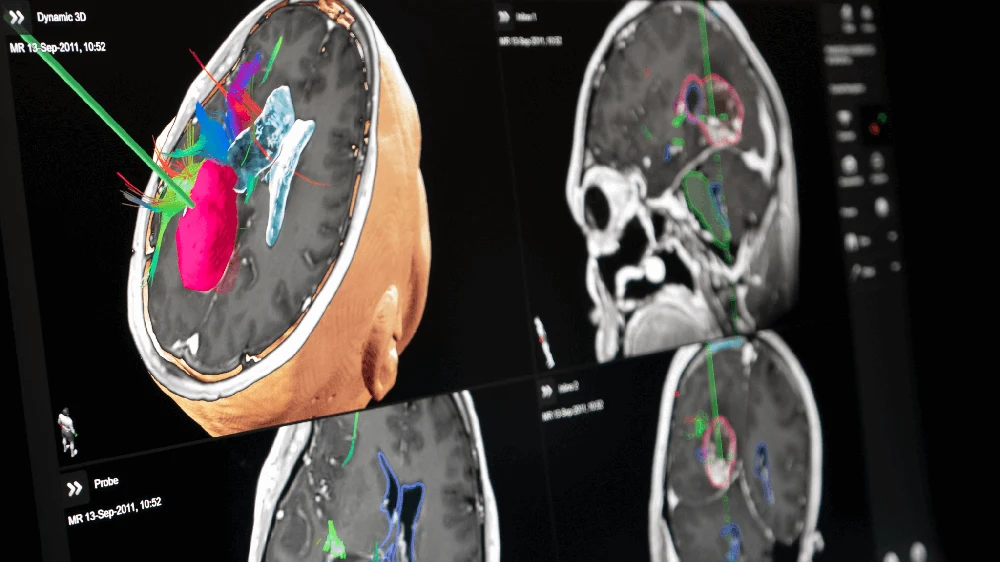
A surgical map based on your scans. Neuronavigation links MRI or CT images to the position of tracked instruments. It helps the surgeon plan an approach and locate a target, such as a brain tumor.
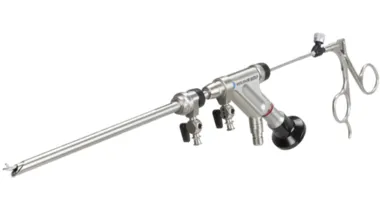
A camera for selected spine procedures. A slender endoscope provides a close view of the disc and nerves through a small access route. It may be used to treat selected slipped discs or spinal narrowing. Suitability depends on your symptoms, examination and scans.
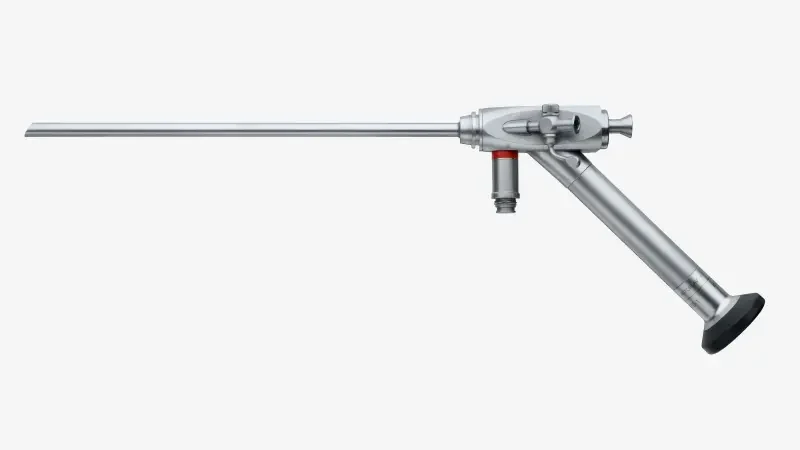
A view into narrow spaces. A neuroendoscope carries a small camera and light into areas that are difficult to see directly. It may be used for selected hydrocephalus procedures or, through the nose, for certain pituitary and skull-base tumors.
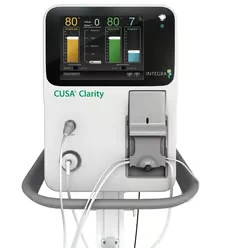
Controlled tissue removal. CUSA is an ultrasonic surgical aspirator. Its tip vibrates to break up tissue while irrigation and suction help remove it. It may assist removal of selected brain or spinal tumors; the surgeon decides when it is appropriate.
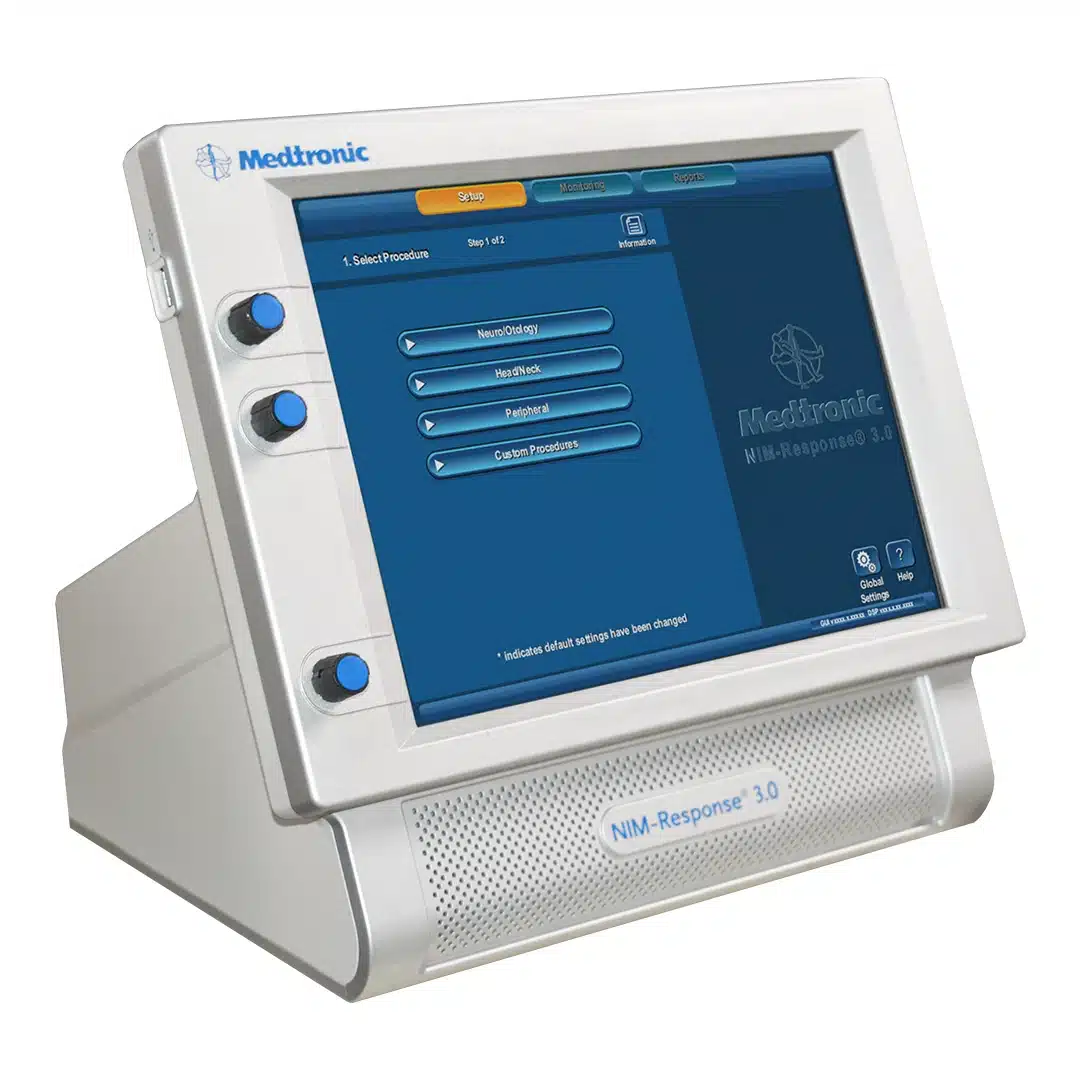
Monitoring nerve function during surgery. Intraoperative neuromonitoring records electrical signals from selected nerves and pathways during an operation. Changes can alert the surgical team to potential stress on these structures, helping guide decisions during selected brain and spine procedures.
Conditions managed
Assessment and guidance for a wide range of brain, spine and nerve conditions.
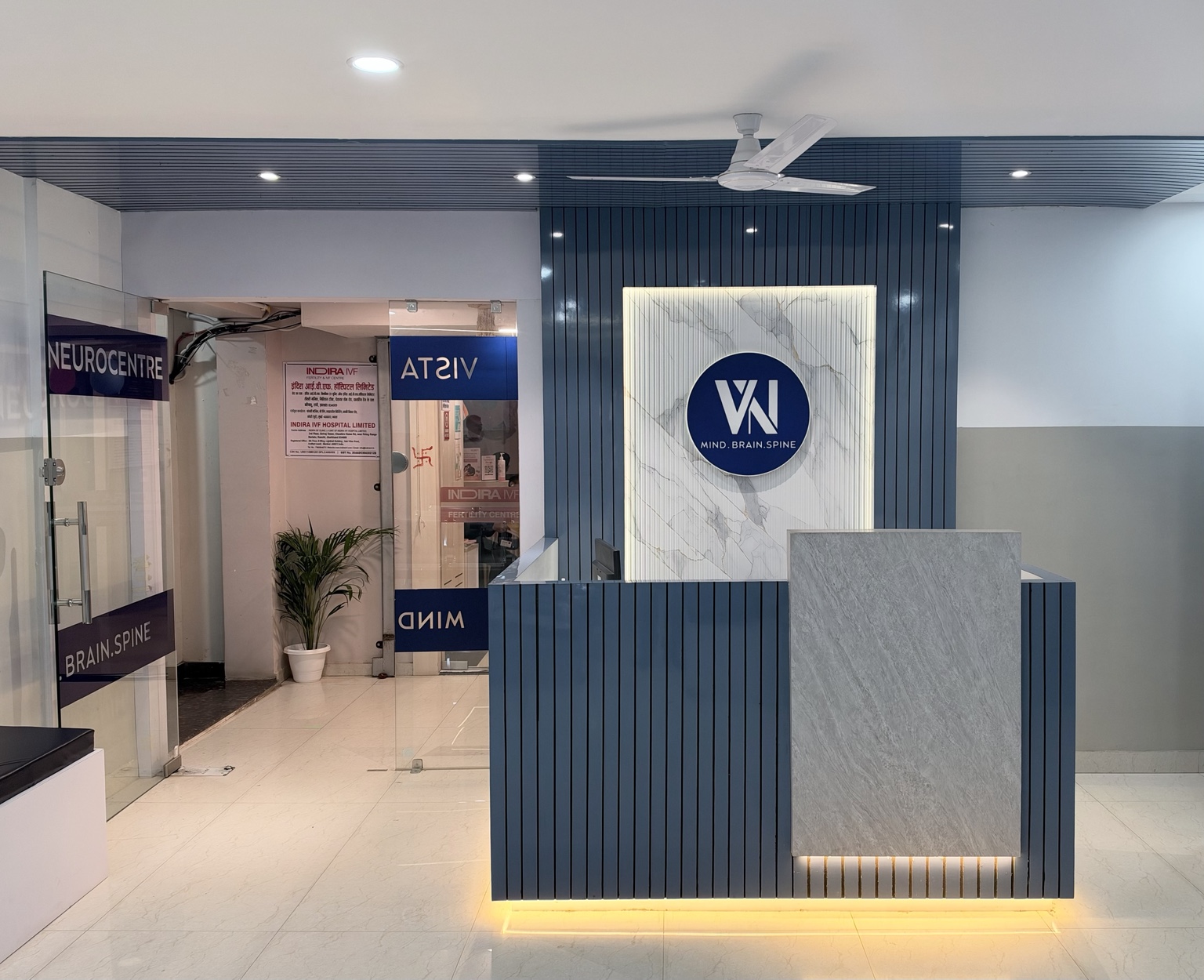
Visit Us
Book a first appointment or bring your reports for a second opinion with Dr. Vikram Singh.
Monday to Saturday
SundayClosed
Call or WhatsApp 7870349955 to arrange your consultation. Your appointment will be confirmed by the clinic.
Bring your MRI or CT images and reports, previous prescriptions, discharge summaries and a list of current medicines.
FAQs
Practical answers to common questions about consultations and treatment.
Vista Neurocentre is open Monday to Saturday from 9:00 am to 10:00 am and 5:00 pm to 7:00 pm. The clinic is closed on Sundays. Call or WhatsApp 7870349955 to arrange your appointment.
Call 7870349955 or message the same number on WhatsApp to request an appointment. Share your preferred day and morning or evening slot. The clinic will confirm your appointment before your visit.
Bring available MRI or CT images and reports, previous prescriptions, discharge summaries and a list of current medicines. A brief note of your symptoms and when they began can also help. If you do not have scans, you can still arrange a consultation.
Yes. You can arrange a consultation to review your diagnosis, scans and proposed treatment. Please bring the original imaging, reports and details of any previous surgery or treatment.
No. A consultation is an opportunity to understand your condition and discuss suitable options. Depending on the diagnosis, these may include observation, medicines, rehabilitation or surgery. The recommendation is based on your symptoms, examination and investigations.
No. It can be an option for selected spine conditions, but the right approach depends on the diagnosis, anatomy and treatment goals. Your consultation will cover whether an endoscopic, another minimally invasive, or an open approach is appropriate.
No. Management depends on factors such as the suspected tumor type, size, location, growth and symptoms. Options may include monitoring, biopsy, surgery, radiotherapy or other treatment. Your scans and overall health help guide the discussion.
Vista Neurocentre is a consultation clinic. If surgery is advised, Dr. Singh will discuss the proposed procedure, the treating hospital and the arrangements for admission and follow-up with you.
No. Do not wait for a clinic or WhatsApp reply if there is sudden facial drooping, arm weakness, difficulty speaking, loss of consciousness or a sudden severe headache. Seek immediate hospital emergency care. WhatsApp is for appointment enquiries and routine coordination.